Exploring Original Artwork: A Guide for Collectors
- sabrinatillmanart
- Feb 13
- 4 min read
Collecting original artwork is not just a hobby; it’s a passion that can transform your living space and enrich your life. Whether you are a seasoned collector or just starting out, understanding the nuances of original art can enhance your experience and investment. This guide will explore the essential aspects of collecting original artwork, from identifying styles to understanding value, and how to curate a collection that reflects your personal taste.
Understanding Original Artwork
What is Original Artwork?
Original artwork refers to pieces created directly by an artist, as opposed to reproductions or prints. Each original piece is unique, reflecting the artist's vision, technique, and style. This uniqueness is what often drives the value of the artwork.
Types of Original Artwork
Paintings: These can range from oil and acrylic to watercolor and mixed media. Each medium offers different textures and visual effects.
Sculptures: Three-dimensional works can be made from various materials, including metal, wood, stone, and clay.
Drawings: Often created with pencils, charcoal, or ink, drawings can be intricate and detailed or loose and expressive.
Photography: Original photographs can be limited edition prints, where the artist controls the number of copies made.
Mixed Media: This genre combines various artistic methods and materials, creating unique and often complex pieces.
The Importance of Style
Identifying Your Taste
Before diving into the world of collecting, it’s crucial to identify what styles resonate with you. Consider the following:
Abstract vs. Realism: Do you prefer the emotional expression of abstract art or the detailed representation found in realism?
Contemporary vs. Traditional: Are you drawn to modern interpretations or classic styles?
Color Palette: What colors do you gravitate towards? Bright and bold, or muted and subtle?
Researching Artists
Once you have a sense of your style, research artists who align with your preferences. Look for:
Emerging Artists: Often more affordable, these artists may gain recognition over time, increasing the value of their work.
Established Artists: While pricier, established artists often have a proven track record and a strong following.
Understanding Value
Factors Influencing Artwork Value
The value of original artwork can be influenced by several factors:
Artist Reputation: The more recognized an artist is, the higher the potential value of their work.
Medium and Size: Larger pieces or those created with expensive materials may command higher prices.
Provenance: The history of ownership can impact value. Artwork with a notable history or previous ownership by a famous collector can be more valuable.
Market Trends: Art markets can fluctuate, so staying informed about trends can help you make better purchasing decisions.
Appraising Artwork
If you’re considering purchasing a piece, getting an appraisal can provide insight into its value. Professional appraisers consider factors like condition, authenticity, and market demand.
Building Your Collection
Starting Small
If you’re new to collecting, start with a few pieces that resonate with you. This approach allows you to develop your taste without overwhelming yourself. Consider:
Local Art Fairs: These events often feature emerging artists and can be a great way to discover unique pieces.
Online Platforms: Websites like Artsy and Saatchi Art offer a wide range of original artwork from various artists.
Curating Your Space
Once you have a few pieces, think about how to display them. Consider the following:
Gallery Wall: Create a cohesive look by grouping smaller pieces together.
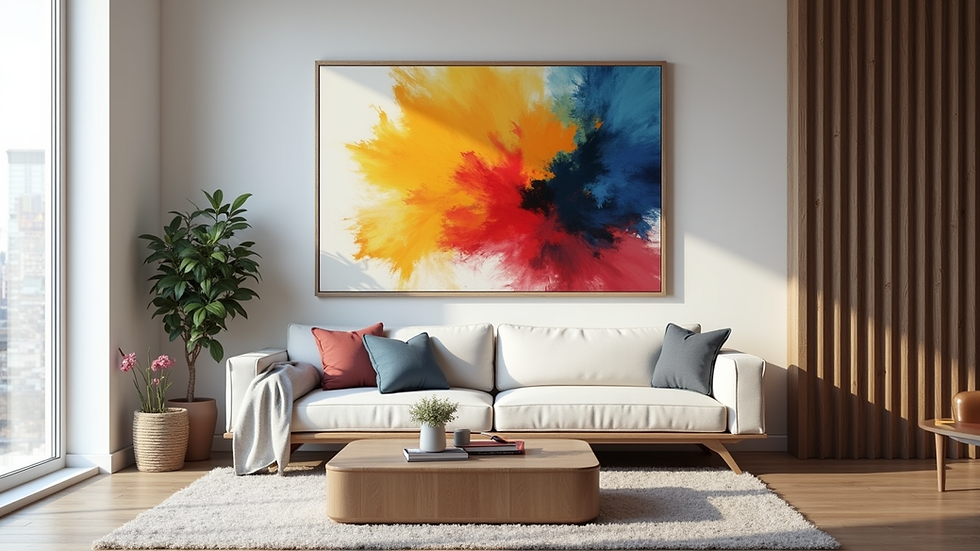
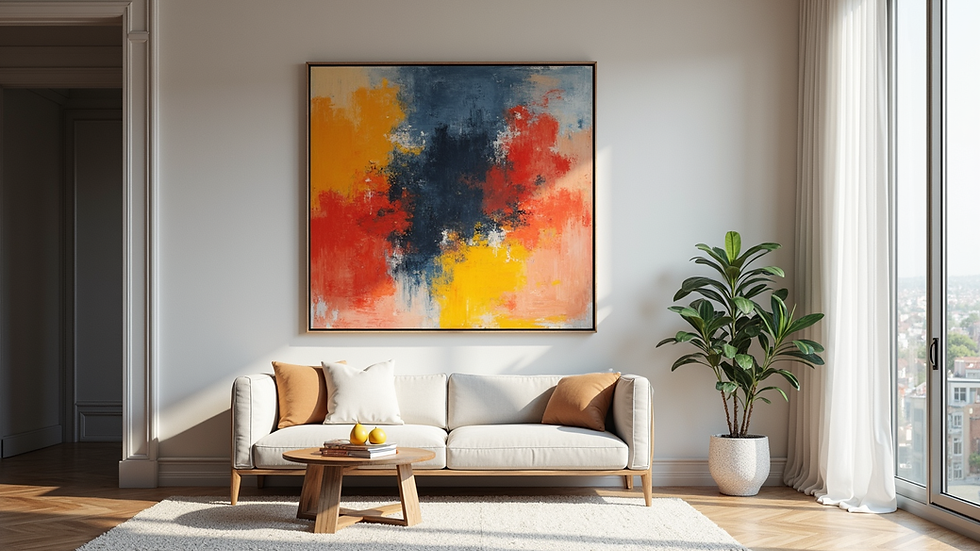
Highlighting a Focal Point: Use a larger piece as a statement in a room, drawing attention and setting the tone.
Mixing Styles: Don’t be afraid to mix different styles and mediums. This can create a dynamic and visually interesting space.
Caring for Your Collection
Proper Maintenance
To ensure your artwork lasts, consider the following care tips:
Lighting: Avoid direct sunlight, which can fade colors over time. Use UV-filtering glass for framed pieces.
Humidity and Temperature: Keep artwork in a stable environment to prevent damage from moisture or extreme temperatures.
Cleaning: Dust your pieces gently with a soft cloth. For more delicate works, consult a professional conservator.
Insurance and Documentation
As your collection grows, consider insuring your artwork. This can protect your investment in case of theft or damage. Keep detailed records of each piece, including:
Purchase Receipts: Document where and when you bought the artwork.
Artist Information: Maintain a file with details about the artist, including their biography and exhibition history.
Networking and Community
Joining Art Groups
Connecting with other collectors can enhance your experience. Look for local art groups or online communities where you can share insights, attend events, and discover new artists.
Attending Exhibitions and Auctions
Visiting galleries, exhibitions, and auctions can provide valuable exposure to the art world. These events often feature discussions with artists and curators, offering deeper insights into the pieces on display.
Conclusion
Collecting original artwork is a rewarding journey that allows you to express your individuality and support artists. By understanding the nuances of original art, from identifying your style to caring for your collection, you can create a space that reflects your personality and passion. Remember, the art you choose should resonate with you personally, making your collection a true reflection of your taste and values.
As you embark on this exciting adventure, keep exploring, learning, and connecting with the vibrant world of original artwork. Happy collecting!
Comments